

How the World of Rosario Tijeras in Real Life Mirrors Street Racing Aesthetics

The gritty, fast-paced world depicted in Rosario Tijeras is more than just fiction—it draws striking parallels with the raw energy and rebellious spirit of real-life street racing culture. Both environments are shaped by adrenaline, risk, and the pursuit of identity in the face of danger. The urban chaos, the dramatic alliances, and the sense of living on the edge all reflect deeper social realities often overlooked. Exploring rosario tijeras in real life reveals how art imitates life, capturing the tension between survival and self-expression that fuels both the streets and the screen. In both spaces, the aesthetics are more than visual—they’re declarations of identity, risk, and freedom.

Speed and Survival: A Shared Pulse

speed

In the show, Rosario’s life is a race against betrayal, heartbreak, and poverty—driven by impulse and instinct. That energy is almost identical to what you find in street racing culture, where danger isn’t a deterrent but a backdrop. Like Rosario navigating through hostile neighborhoods, racers navigate tight corners at breakneck speed, trusting reflexes more than rules. Both worlds demand sharp instincts, loyalty to your crew, and an unspoken code of survival.

Style That Signals Power

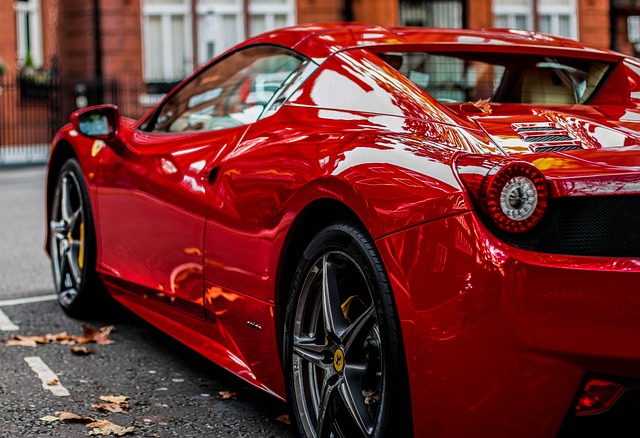
carStreet racers don’t just drive fast—they dress the part. Customized cars with neon under glow, matte black finishes, and decals are expressions of status and personality. Likewise, Rosario Tijera’s characters communicate their strength and status through bold fashion choices—leather jackets, sharp silhouettes, and statement jewelry. In both settings, what you wear (or drive) speaks as loudly as what you do. It’s a culture where visual presence equates to dominance and respect.

The Urban Jungle as a Character

The streets in Rosario Tijeras are more than background—they’re living, breathing entities full of danger, opportunity, and unpredictability. This mirrors the street racing environment, where dark alleys and abandoned highways become racetracks. The city is both a playground and a threat, framing every decision and heightening the stakes. Whether it’s Medellín or downtown L.A., the concrete landscape plays a leading role.

Rebellion in Motion

super car

At its core, both Rosario Tijeras and street racing aesthetics are about rebellion. Rosario challenges social structures, gender roles, and fate itself. Street racers do the same—rejecting conventional rules in favor of freedom, adrenaline, and risk. The roar of a modified engine or the click of a pistol signals the same thing: defiance in a world that offers little mercy.

The world of Rosario Tijeras isn’t far removed from the raw power and visual drama of street racing. Both exist at the fringes of society, where speed, danger, and style create a code of their own. These worlds, though distinct, speak the same visual and emotional language—making it clear that for some, life isn’t lived by the rules, but by how fast and fearlessly you can break them.

Related Post

Considerations When Buying Truck Equipment

When you consider purchasing equipment for your vehicle, there are a few things that you should consider. There is no one-size-fits-all solution to what type of equipment will work best for your needs. In this article, we will discuss the considerations that need to be made when buying car equipment.

The Type of Truck You Own

ford truckThe first consideration you should make when purchasing car equipment is the type of vehicle you own. Different car models will require equipment that may not be the same. For example, the equipment that may be suitable for an off-road car may not be ideal for a car meant for city driving.
You can do some online research on recommendations of the best equipment for the type of vehicle you own. Upon researching, you may find various types of car equipment such as fog lights for driving in foggy conditions, high beam headlights to increase visibility at night, and parking sensors and alarms. If you are unsure of the ideal equipment for your car type, you can talk to the manufacturer for more advice.

The Affordability

It would be best if you also came up with a budget for the items you want to purchase. You will need to consider how much money you have and what your budget is like in general. For example, if you are more in a lower income bracket and don’t make very many extravagant purchases each month, it would be wise of you to choose equipment that fits within your budget.

On the other hand, if you are looking to spend a lot of money on equipment out of your price range, consider setting up an installment plan or asking for the items as gifts around the holidays. Several factors will affect how a retailer prices a piece of car equipment. It can be the quality, material used, or special features the equipment has. The good news is that you can get good deals on car equipment on the Web.

The Brand

truck and disasterThere are currently many car equipment suppliers that offer their products online. Depending on your preference, you can buy car equipment from brands like Tiger, ABS Auto Equipment, and more.

However, it is important to consider the reliability of each brand before purchasing anything, as you will likely be using them for a long time in the future. You can learn more about a particular brand you are interested in by reading online reviews from past customers or visiting their official website.

The last thing you want to do is spend money on something that doesn’t fit your vehicle or isn’t compatible with the equipment you need. That’s why we put together this quick and easy guide of what to consider when buying car equipment for your four-wheeled friend. We hope it helps. Let us know if there are any other factors we should be considering, and we’ll update our list accordingly.

car

Keyless Entry Woes? How Car Locksmiths Fix Remote Issues Fast

Imagine standing in a parking lot, fumbling with your key fob. You press the button, but nothing happens. Panic sets in as you wonder if your remote has given up on you. Without the remote, how will you get into your car? That’s right. You need to call car locksmiths.

They’re the experts you need to help you fix your remote issues fast. From simple resets to intricate repairs, they have the skills needed to get you back on the road without breaking a sweat. But, you may be wondering how the best auto locksmith San Marcos fixes remote issues. Read on to find out.

Key Fob Reset

keys

Key fobs can act up for a variety of reasons, often requiring a simple reset. This process is surprisingly straightforward and doesn’t usually demand specialized tools. Most vehicles have a method to reset the key fob that involves pressing specific buttons in a particular sequence. It’s like entering a secret code that brings your device back to life.

The goal is to sync it again with your car’s electronic system. So, if you’ve misplaced the owner’s manual, don’t fret. Car locksmiths are well-versed in these techniques and can perform resets on various models swiftly. They know exactly what steps to take without wasting time.

Transponder Reprogamming

fixed

Reprogramming the transponder is often necessary when you’ve lost your key or purchased a new one. This process involves syncing the new key with your vehicle’s anti-theft system, ensuring it recognizes and accepts the key. A skilled car locksmith uses specialized tools to access the onboard computer and reset its settings.

Signal Recalibration

One thing that could make your key fob not working is poor signal communication between the key fob and your vehicle. Over time, environmental factors or interference can disrupt the signals between the remote and the car. Luckily, a trained locksmith uses specialized equipment to address this issue effectively.

They first assess whether any obstructions are affecting signal strength. Sometimes, simple fixes like relocating antennas or removing nearby electronic devices can make a significant difference. If these adjustments don’t work, it may require deeper diagnostics. The locksmith will reprogram the transmitter settings in your key fob so that they align perfectly with your car’s receiver system.

Internal Circuit Repair

Keyless entry systems rely heavily on complex internal circuits. These tiny pathways manage signals sent between your key fob and the car. When there’s a malfunction, it can lead to frustration. Car locksmiths are equipped to tackle these issues efficiently. They examine the circuit board for damage or wear.

Sometimes, simple cleaning or resoldering connections does the trick. In more severe cases, component replacement might be necessary. This could involve swapping out transistors or capacitors that aren’t functioning properly. Locksmiths use specialized tools for precision work, ensuring everything is in top shape before reassembly.

The procedure is quick and effective, restoring functionality without needing costly dealership visits. Don’t let a faulty transponder ruin your day. A professional can handle this task efficiently, getting you back on track in no time while ensuring optimal security for your vehicle.

law

Tips for Navigating Local Traffic Laws as a Tourist

Traveling to a new country offers the excitement of exploring unfamiliar streets and experiencing the local culture. However, navigating the local traffic laws can be a challenge if you’re not prepared. What might be routine on your home turf could be entirely different in another part of the world. Understanding and adhering to these laws is not only crucial for your safety but also helps you avoid fines, accidents, and even legal trouble.

Before you pack your bags and hit the road, it’s essential to do your research and even apply for an internationaler führerschein beantragen to ensure you’re ready for the unique driving conditions you’ll encounter. Whether renting a car or using other modes of transportation, here are essential tips for navigating local traffic laws as a tourist, ensuring a smooth and enjoyable journey.

Research and Understand Local Road Signs

Research and Understand Local Road SignsBefore hitting the road in a new country, one of the first things to do is to familiarize yourself with the local road signs. Countries use different symbols and colors to convey traffic rules, and misinterpreting these signs can lead to confusion or violations. Spend some time researching common road signs online or using travel guides specific to the country you’re visiting.

Understanding what each sign means can help you avoid unnecessary stops or penalties and ensure you drive safely and within legal boundaries.

Learn the Speed Limits and Enforcement Methods

Speed limits vary widely across countries and can change frequently within a region depending on the type of road or urban area. For instance, a highway speed limit might be significantly higher than a residential area’s. In some countries, speed limits are strictly enforced with cameras, while others may rely on manual checks by law enforcement officers. Learn about the speed limits and how they are implemented in your destination country. Observing the local speed limits keeps you safe and prevents costly fines and potential encounters with the police.

Understand the Right of Way Rules

Right-of-way rules dictate how drivers proceed at intersections, roundabouts, and pedestrian crossings. These rules can differ quite from what you’re used to and may not always be intuitive. For example, in some countries, vehicles approaching a roundabout must yield to those already in it, while in others, the opposite is true. Knowing who has the right of way can prevent accidents and ensure you navigate intersections smoothly. Look up the local right-of-way rules and observe how other drivers behave to understand the local driving etiquette.

Be Aware of Drink-Driving Regulations

drinkingDrink-driving regulations vary around the world, and some countries have zero-tolerance policies. Understanding the legal limits and regulations related to alcohol consumption before getting behind the wheel is critical. In many places, the severe drinking-driving penalties can include hefty fines, license suspension, or even imprisonment. Suppose you’re unsure about the local regulations or plan to drink.

In that case, it’s best to err on caution and arrange for alternative transportation, such as a taxi or rideshare service, to ensure your safety and compliance with the law. Navigating local traffic laws as a tourist can seem daunting, but with some preparation, you can drive confidently and safely in any country. By researching and understanding local road signs, learning the speed limits, familiarizing yourself with right-of-way rules, and being aware of drink-driving regulations, you can avoid common pitfalls many tourists face. These tips will help you adapt to new driving environments, ensuring a smoother and more enjoyable travel experience. So, next time you’re planning an adventure abroad, take the time to learn about the local traffic laws – it’s a small effort that can make a big difference in your trip. Safe travels!