
Last updated: 01/21/2023
Please read these Terms of Use (“Terms”, “Terms of Use”) carefully before using the https://www.fourthstreetstudio.com website (the “Service”) operated by FST Auto (“us”, “we”, or “our”).
Your access to and use of the Service is conditioned on your acceptance of and compliance with these Terms. These Terms apply to all visitors, users and others who access or use the Service.
By accessing or using the Service you agree to be bound by these Terms. If you disagree with any part of the terms then you may not access the Service.
Links To Other Web Sites
Our Service may contain links to third-party web sites or services that are not owned or controlled by FST Auto.
FST Auto has no control over, and assumes no responsibility for, the content, privacy policies, or practices of any third party web sites or services. You further acknowledge and agree that FST Auto shall not be responsible or liable, directly or indirectly, for any damage or loss caused or alleged to be caused by or in connection with use of or reliance on any such content, goods or services available on or through any such web sites or services.
We strongly advise you to read the terms and conditions and privacy policies of any third-party web sites or services that you visit.
Governing Law
These Terms shall be governed and construed in accordance with the laws of without regard to its conflict of law provisions.
Our failure to enforce any right or provision of these Terms will not be considered a waiver of those rights. If any provision of these Terms is held to be invalid or unenforceable by a court, the remaining provisions of these Terms will remain in effect. These Terms constitute the entire agreement between us regarding our Service, and supersede and replace any prior agreements we might have between us regarding the Service.
Changes
We reserve the right, at our sole discretion, to modify or replace these Terms at any time. If a revision is material we will try to provide at least days notice prior to any new terms taking effect. What constitutes a material change will be determined at our sole discretion.
By continuing to access or use our Service after those revisions become effective, you agree to be bound by the revised terms. If you do not agree to the new terms, please stop using the Service.
Contact Us
If you have any questions about these Terms, please contact us.
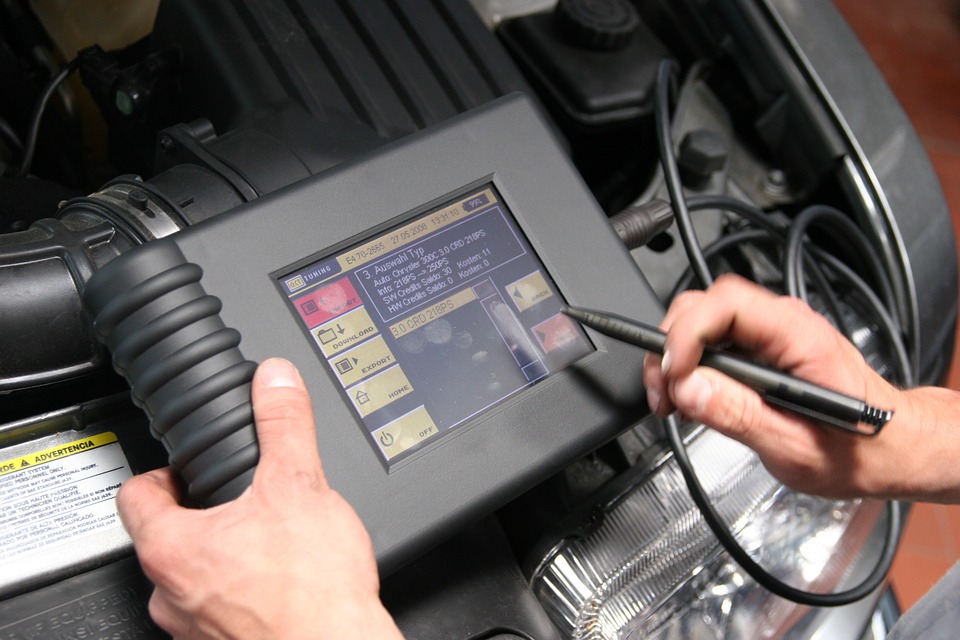
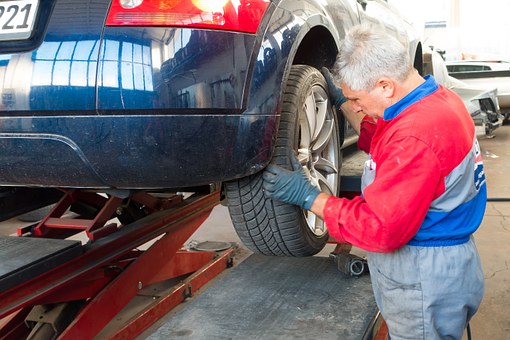 f car owners start to look for an auto repair shop when a need arises. It is advisable to start the process when your car is in a good condition. This is because selecting the right auto repair shop ought to be based on practical considerations.
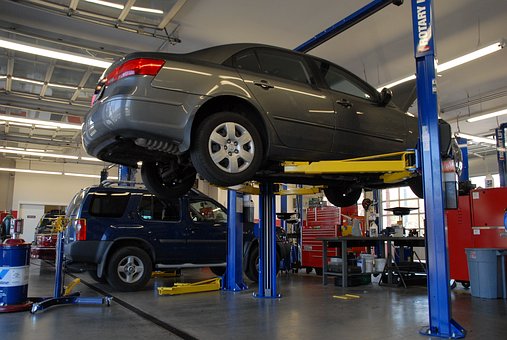 ing an auto repair shop company near your place, it is necessary to inspect facility grounds. Is it well-organized? Is it tidy? Do they have modern equipment and tools? Remember that auto repairs come with a cost. Thus, it is necessary to know where the money is going. If a facility meets your expectations and the level of professionalism, then you have got your value for money spent.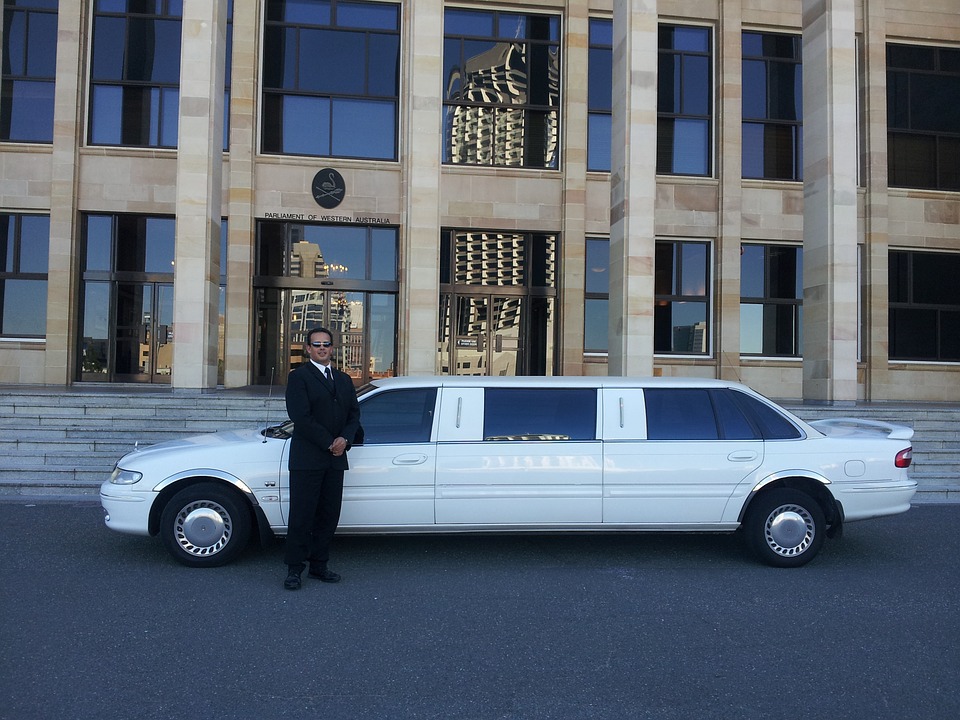
 The best way to make your corporate event memorable is by making a grand entry. There is no better way to do so, than by using a limousine. You can opt for a smaller or larger limo to use at your event. Do not settle for anything less. When it comes to attracting new customers, it is the little things you do that matter. You will be surprised at what a limo entry will make to your company.
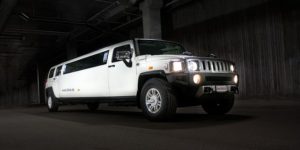 Make your day special by hiring a limo to make a grand entry to your wedding. Once you hire the limo, you can leave everything to the limo service and enjoy your special day. You only have one chance to make your wedding memorable. Your wedding will be the talk of the town when you arrive in a limo. Therefore, do not go for anything less than glamorous. You deserve it because it is your special day. You can choose any limousine that you want.
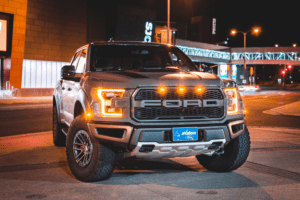 The first consideration you should make when purchasing car equipment is the type of vehicle you own. Different car models will require equipment that may not be the same. For example, the equipment that may be suitable for an off-road car may not be ideal for a car meant for city driving.
 There are currently many car equipment suppliers that offer their products online. Depending on your preference, you can buy car equipment from brands like Tiger, ABS Auto Equipment, and more.