

Car Maintenance Tips for Beginners

If it is your first car after months of saving, things can get exciting and overwhelming at the same time. You can finally drive around the neighborhood to show your new asset to your neighbors, but you also need to think about keeping your vehicle in good shape always. It can be such a dilemma when you do not want to scratch the car, but you still need it to take you to your workplace. Thus, car maintenance is the answer to your problem. However, it does not automatically eliminate all your issues, especially when you know you have zero knowledge when it comes to car maintenance.

Taking your vehicle to the nearest service center might be an option, but it still does not solve anything if you know nothing about the matter. This article discusses things you should do to take care of your asset. Although when you know the mechanics know better, it is still advisable to understand the things below.
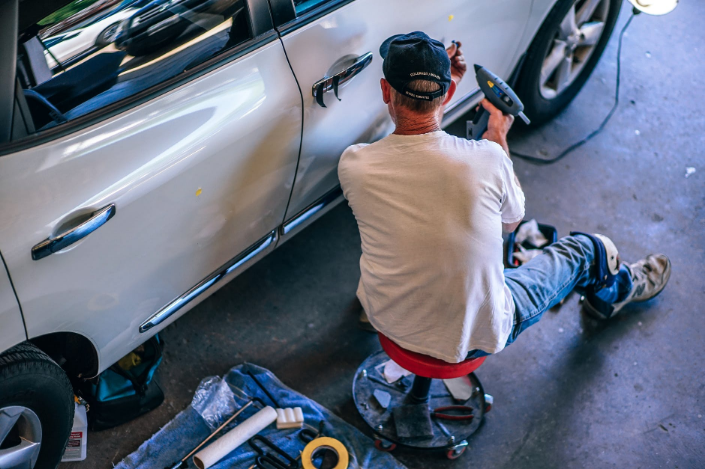
a mechanic working on a car

Engine Fluids

The first thing to check is the engine fluids. It is one essential part of a vehicle, and without it, the engines will easily break down. The fluids serve to reduce the heat when the engines are working. Besides, the sticky and thick liquids also ensure the constant friction does not end up breaking the system. For that reason, it is vital to check the fluids, and it should be the first thing to check. Another fluid that you should also check is the coolant, brake fluid, power steering fluid, and transmission fluid. All these parts play their role in making sure you can drive comfortably and safely. One tip for you is that you should never change the liquid yourself if you know nothing about it. Leaving it in the hands of professionals is still the best option.

Wipers and Windshield

The next parts to check are the wipers and windshield. These are another essential part of a vehicle to protect you from external threats, such as road elements and weather. Therefore, it is crucial to keep these parts well-maintained. A quality windshield is the one that can protect you from external impacts, and wipers will do their job to clear up the glass for you to see.

Headlights

These parts are vital if you are more of a night driver. Not only do they will show you the way, but they can also make emergency signals whenever you are in trouble. For that reason, it is advisable to check the quality of each light and change the bulbs regularly.

Related Post

law

Tips for Navigating Local Traffic Laws as a Tourist

Traveling to a new country offers the excitement of exploring unfamiliar streets and experiencing the local culture. However, navigating the local traffic laws can be a challenge if you’re not prepared. What might be routine on your home turf could be entirely different in another part of the world. Understanding and adhering to these laws is not only crucial for your safety but also helps you avoid fines, accidents, and even legal trouble.

Before you pack your bags and hit the road, it’s essential to do your research and even apply for an internationaler führerschein beantragen to ensure you’re ready for the unique driving conditions you’ll encounter. Whether renting a car or using other modes of transportation, here are essential tips for navigating local traffic laws as a tourist, ensuring a smooth and enjoyable journey.

Research and Understand Local Road Signs

Research and Understand Local Road SignsBefore hitting the road in a new country, one of the first things to do is to familiarize yourself with the local road signs. Countries use different symbols and colors to convey traffic rules, and misinterpreting these signs can lead to confusion or violations. Spend some time researching common road signs online or using travel guides specific to the country you’re visiting.

Understanding what each sign means can help you avoid unnecessary stops or penalties and ensure you drive safely and within legal boundaries.

Learn the Speed Limits and Enforcement Methods

Speed limits vary widely across countries and can change frequently within a region depending on the type of road or urban area. For instance, a highway speed limit might be significantly higher than a residential area’s. In some countries, speed limits are strictly enforced with cameras, while others may rely on manual checks by law enforcement officers. Learn about the speed limits and how they are implemented in your destination country. Observing the local speed limits keeps you safe and prevents costly fines and potential encounters with the police.

Understand the Right of Way Rules

Right-of-way rules dictate how drivers proceed at intersections, roundabouts, and pedestrian crossings. These rules can differ quite from what you’re used to and may not always be intuitive. For example, in some countries, vehicles approaching a roundabout must yield to those already in it, while in others, the opposite is true. Knowing who has the right of way can prevent accidents and ensure you navigate intersections smoothly. Look up the local right-of-way rules and observe how other drivers behave to understand the local driving etiquette.

Be Aware of Drink-Driving Regulations

drinkingDrink-driving regulations vary around the world, and some countries have zero-tolerance policies. Understanding the legal limits and regulations related to alcohol consumption before getting behind the wheel is critical. In many places, the severe drinking-driving penalties can include hefty fines, license suspension, or even imprisonment. Suppose you’re unsure about the local regulations or plan to drink.
In that case, it’s best to err on caution and arrange for alternative transportation, such as a taxi or rideshare service, to ensure your safety and compliance with the law. Navigating local traffic laws as a tourist can seem daunting, but with some preparation, you can drive confidently and safely in any country. By researching and understanding local road signs, learning the speed limits, familiarizing yourself with right-of-way rules, and being aware of drink-driving regulations, you can avoid common pitfalls many tourists face. These tips will help you adapt to new driving environments, ensuring a smoother and more enjoyable travel experience. So, next time you’re planning an adventure abroad, take the time to learn about the local traffic laws – it’s a small effort that can make a big difference in your trip. Safe travels!

Considerations When Buying Truck Equipment

When you consider purchasing equipment for your vehicle, there are a few things that you should consider. There is no one-size-fits-all solution to what type of equipment will work best for your needs. In this article, we will discuss the considerations that need to be made when buying car equipment.

The Type of Truck You Own

ford truckThe first consideration you should make when purchasing car equipment is the type of vehicle you own. Different car models will require equipment that may not be the same. For example, the equipment that may be suitable for an off-road car may not be ideal for a car meant for city driving.
You can do some online research on recommendations of the best equipment for the type of vehicle you own. Upon researching, you may find various types of car equipment such as fog lights for driving in foggy conditions, high beam headlights to increase visibility at night, and parking sensors and alarms. If you are unsure of the ideal equipment for your car type, you can talk to the manufacturer for more advice.

The Affordability

It would be best if you also came up with a budget for the items you want to purchase. You will need to consider how much money you have and what your budget is like in general. For example, if you are more in a lower income bracket and don’t make very many extravagant purchases each month, it would be wise of you to choose equipment that fits within your budget.

On the other hand, if you are looking to spend a lot of money on equipment out of your price range, consider setting up an installment plan or asking for the items as gifts around the holidays. Several factors will affect how a retailer prices a piece of car equipment. It can be the quality, material used, or special features the equipment has. The good news is that you can get good deals on car equipment on the Web.

The Brand

truck and disasterThere are currently many car equipment suppliers that offer their products online. Depending on your preference, you can buy car equipment from brands like Tiger, ABS Auto Equipment, and more.

However, it is important to consider the reliability of each brand before purchasing anything, as you will likely be using them for a long time in the future. You can learn more about a particular brand you are interested in by reading online reviews from past customers or visiting their official website.

The last thing you want to do is spend money on something that doesn’t fit your vehicle or isn’t compatible with the equipment you need. That’s why we put together this quick and easy guide of what to consider when buying car equipment for your four-wheeled friend. We hope it helps. Let us know if there are any other factors we should be considering, and we’ll update our list accordingly.

Tips in Getting a New Car

Are you wondering how to buy a new car? Buying a new car can be quite a daunting task. With so many models and features available, it’s hard to know which one is right for you. The buying process can also be confusing when the dealer is not reliable. Have no fear! We’ve put together some of our favorite tips to help make the process easier. For instance, you can finance your car better by applying for a loan at the Auto car loans online. Tips like these will help ensure that you get home in your dream car today! Read on more about these tips below.

Understand Your Needs

carIf you’re planning to buy a new car, it’d be much better to know what you need from a vehicle. Consider your lifestyle and how you use your vehicle. Identify the essential things to you for a car, such as safety features, fuel efficiency, storage space, and more. Knowing what’s most important in advance will allow you to focus on cars that offer these amenities. Also, take into consideration the size of your family or when you might need additional seating. Knowing these things will help you narrow down your search to find the right car for you.

Shop Around for the Best Deal

After knowing what type of car you want, it’s time to shop around for the best deal. Always get quotes from several dealers. Once you’ve received a few, review them and determine if the prices seem fair. Research online to find out about dealer incentives for this specific car so that you can factor these in when comparing deals between different sellers. Don’t just rely on the information that is provided by the dealer when it comes to new cars. Do some online research and read reviews from other customers who have purchased similar vehicles in the past.

Apply for a Car Loan

If you think you want to finance your car better, you need to apply for a car loan. It is recommended that you apply for a car loan before shopping around. This way, dealers can give you an idea of your monthly payments on the vehicle you want to buy. You might find out it’s actually within your budget or even less expensive than expected! If you already have a good credit score, getting pre-approved for a car loan is likely to bring you the best deal on your new vehicle. You can go to AutoCarLoans.com.au to get the best option for a car loan.

Go for a Reliable Car Dealership

It will be more than the icing on the cake to choose a reliable car dealership. Make sure you choose a dealership that has been in business for many years. This way, you can be sure they will stand behind the purchase of your car and work with you during any issues or problems that might arise after taking ownership of it. Good reviews from previous customers are another sign to look for when trying to determine whether a dealer is reliable or not. Also, make sure the dealer is transparent about their trade-in options and warranty plans before committing to any purchase.


Test Drive the Car

Now, it’s time for a test drive. Before you buy the car, always take it for a test drive. It’s essential that you feel comfortable driving it and even taking your family with you on an upcoming trip to ensure enough space in the backseat. Take note of any noise or shaking while going as this could be signs of future problems. If possible, bring along someone experienced with cars and ask them to ride along with you. Their advice will be invaluable when it comes to making your final decision about whether or not this car is worth buying.

In summary, to get the best deal possible on a new car, we recommend doing some research before going shopping so that when you go into dealerships or showrooms with an idea of what kind of cars are available in your price range, there will be less chance they’ll take advantage of you because they know how much money is at stake! After reading the post, what do you think? Do you like these tips for getting a new vehicle? Let us know in the comments below.